Internal auditors have been encouraged to prioritise personal branding as a means of enhancing their credibility, visibility, and effectiveness.
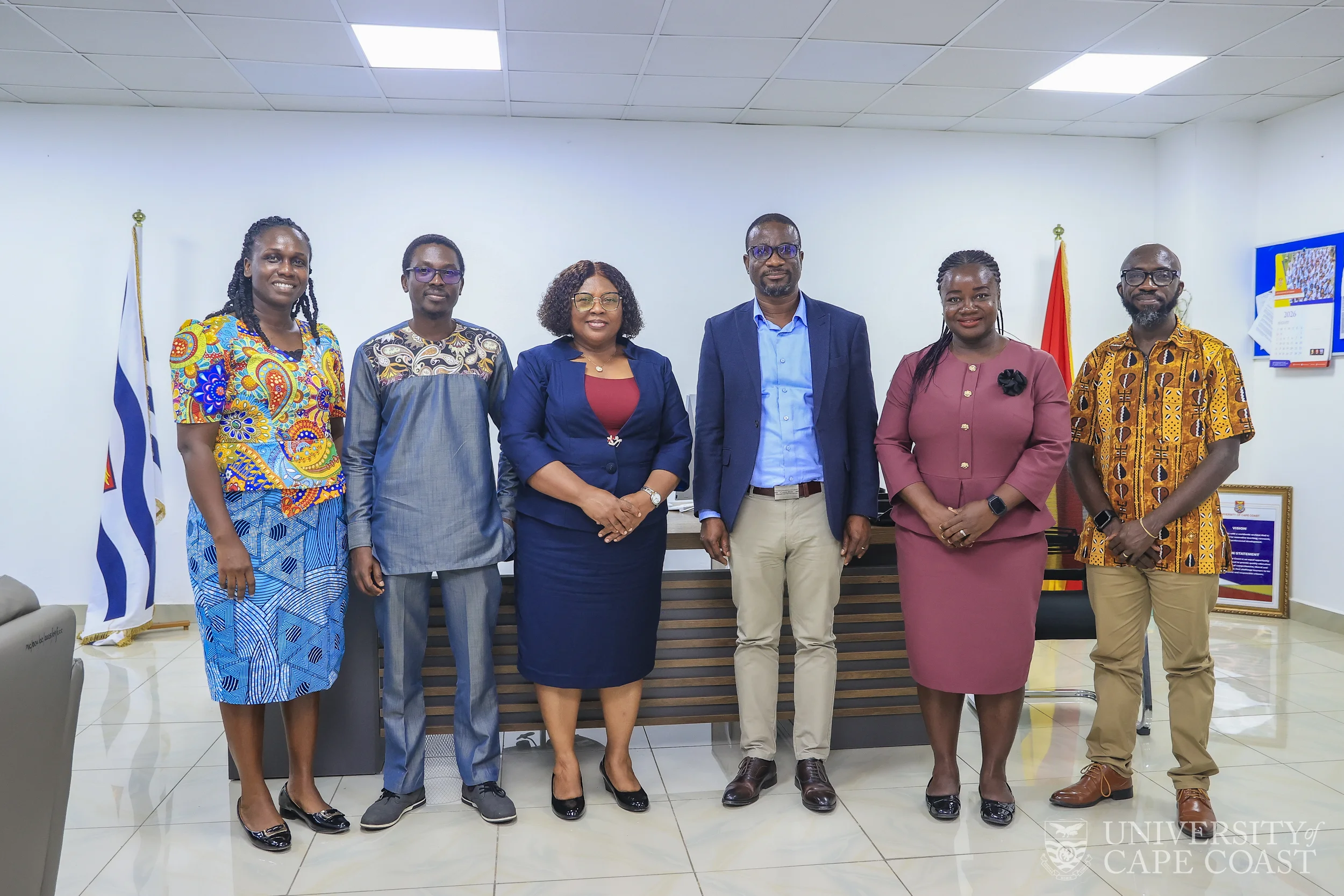
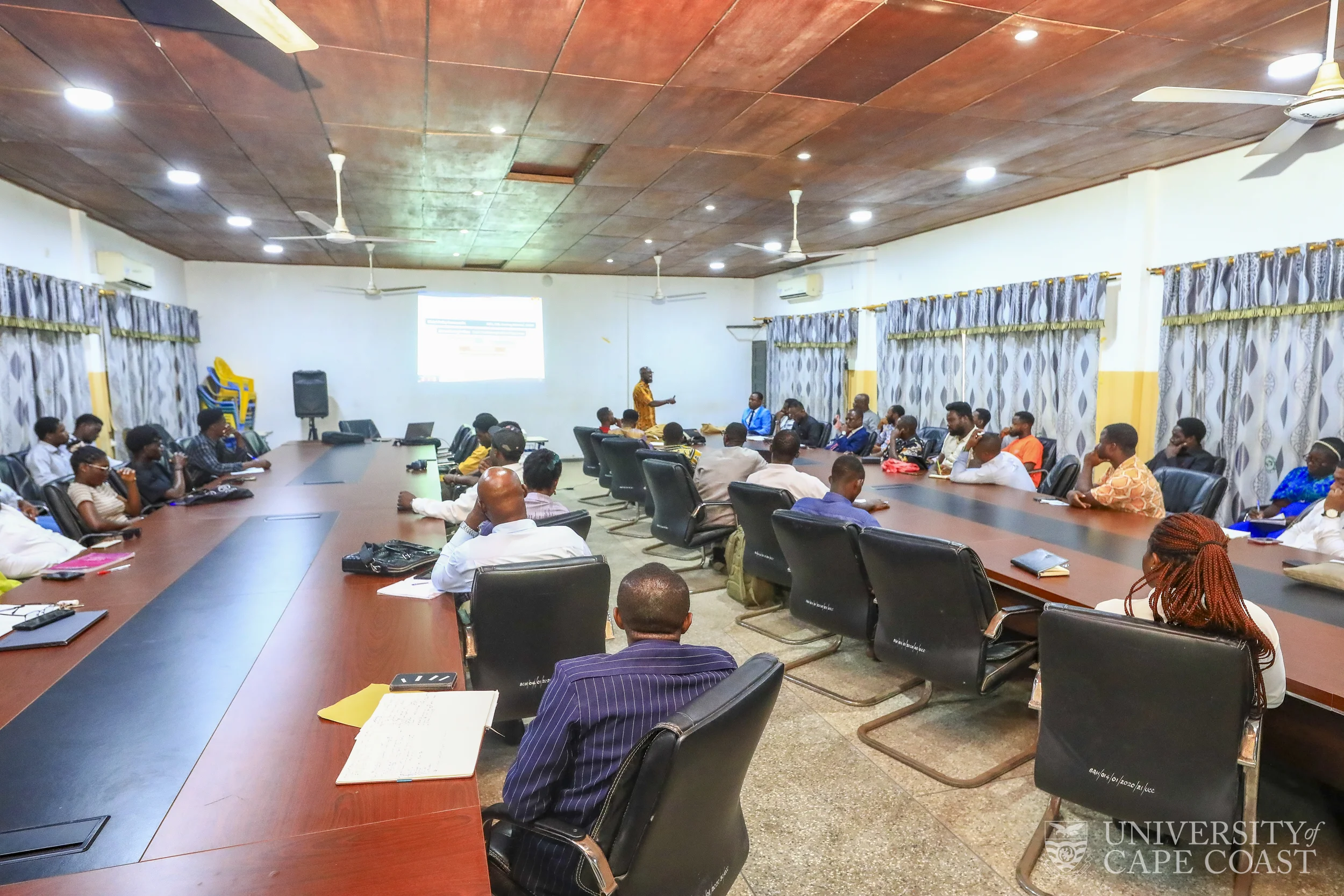
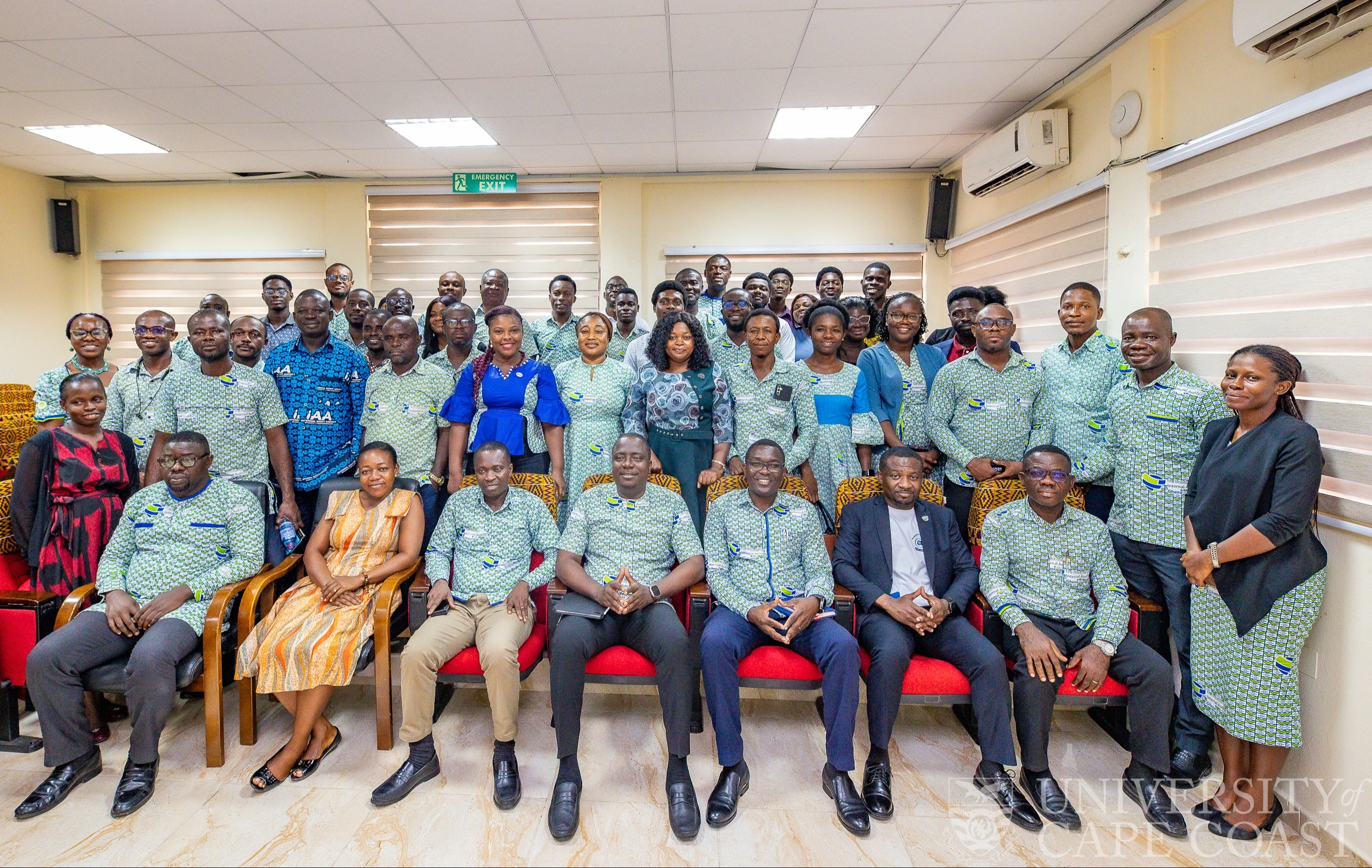
The call was made by a Council Member of the Institute of Internal Auditors (IIA), Ghana, Mr Benjamin Nkrumah, during a professional development seminar organised for Internal Auditors from the University of Cape Coast (UCC), Cape Coast Technical University and OLA College of Education participated in the seminar.
The seminar provided participants with an opportunity to discuss strategies for increasing awareness of the role and value of internal auditing within the University community while promoting professional excellence among internal auditors.
Speaking at the event, Mr Nkrumah noted that personal branding was no longer optional for professionals seeking to remain relevant and impactful in today's dynamic working environment.
According to him, personal branding was built on two key elements: reputation, which reflected how others perceived an individual's competence and character, and visibility, which determined how well the individual's contributions were recognised. He explained that these factors enhanced an individual's value to an organisation through meaningful contributions to governance, risk management, decision-making, and overall performance. He added that visibility without ethical conduct became mere noise, while valuable contributions without visibility often went unnoticed.
“Your brand is always broadcasting. The choice is whether you consciously shape it or leave it to chance,” he stated.
Mr Nkrumah further observed that internal auditing had evolved beyond its traditional compliance-focused role into a strategic advisory function that supports governance, risk management, and organisational performance. Consequently, he noted that internal auditors must build confidence and trust among management and stakeholders through professionalism and consistent delivery of value.
He emphasised that credibility remains the cornerstone of the profession and urged internal auditors to demonstrate competence, integrity, and accountability in all aspects of their work. He also encouraged participants to focus on producing audit reports that create meaningful impact and strengthen internal controls, improve governance systems, and support informed decision-making.
“Be the professional whose name people trust even before the audit report arrives,” he advised.
Touching on Quality Client Service, Mr Nkrumah encouraged internal auditors to communicate effectively with clients and stakeholders while remaining mindful of timelines and professional expectations. He described consistency as a critical factor in building a strong and enduring professional brand.
“Brands are built through small, repeated behaviours and not a single impressive performance,” he added.
Speaking at the programme, the Acting Director of the Directorate of Internal Audit, UCC, Mr. Samuel Kwame Anyan, said the event was the first initiative aimed at bringing together internal auditors in Cape Coast to foster collaboration and knowledge sharing. He highlighted awareness activities undertaken during the Internal Audit Awareness Month, including publicity on the University's LED billboard, sensitisation during audit exit meetings, and regular engagements with management.
He also announced plans to reintroduce the UCC Post-Audit Survey to gather stakeholder feedback and enhance service delivery. Additionally, he urged staff to continuously improve their professional skills through learning and development, reaffirming the Directorate's commitment to collaboration, professional growth, and continuous improvement.
Also speaking at the event, the Chief Executive Officer of the Institute of Internal Auditors (IIA), Ghana, Mr Eric Obodai, commended the three institutions for jointly organising the programme.
Mr Obodai noted that meaningful change begins with personal commitment and continuous self-improvement. He encouraged internal auditors to pursue lifelong learning, obtain professional certifications, and uphold high ethical standards to enhance their careers and contribute meaningfully to the advancement of the profession.
The seminar equipped participants with practical insights into personal branding, professional excellence, and the evolving role of internal auditors in promoting good governance, accountability, effective risk management, and institutional performance. It also formed part of efforts to enhance awareness of the important role internal auditing plays in supporting organisational success and sustainable development.