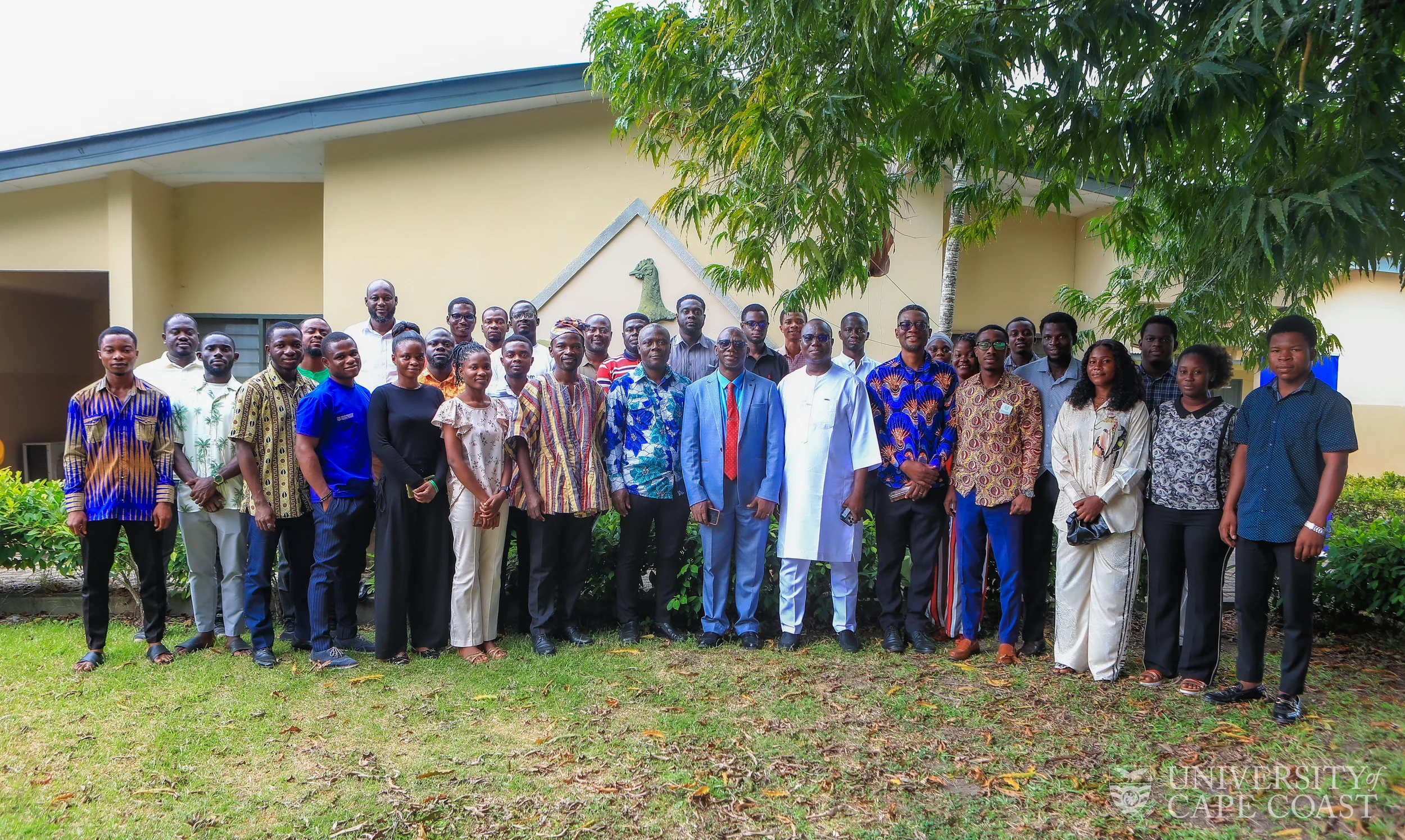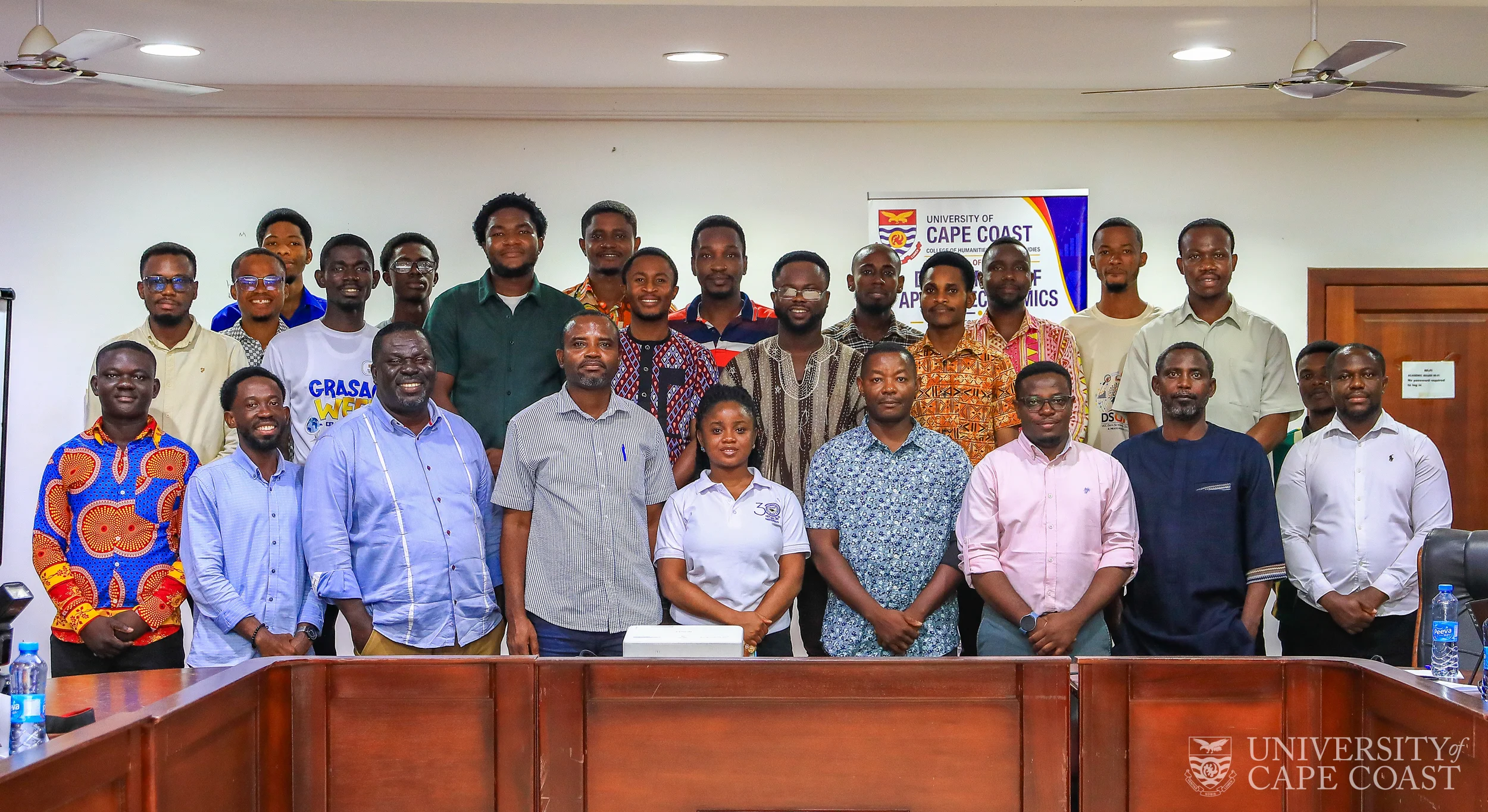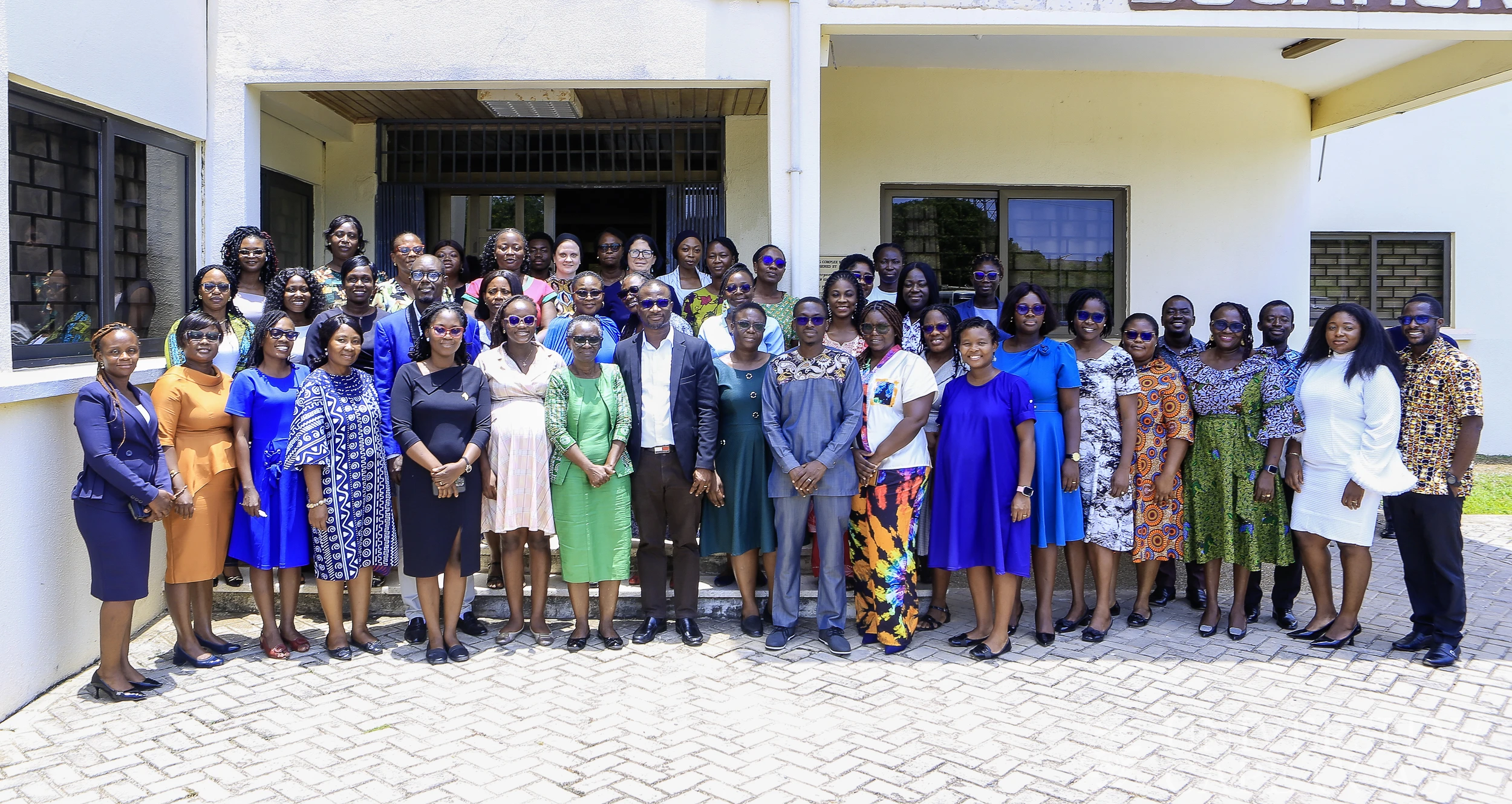
The Directorate of Research, Innovation and Consultancy (DRIC) at the University of Cape Coast, has organised a two-day capacity-building workshop for early-career women researchers, aimed at strengthening their academic progression and research impact.
The workshop forms part of DRIC’s broader efforts to promote gender equity and enhance research capacity among female academic staff.
Opening the workshop, the Director of DRIC, Prof. David Teye Doku, stated that the initiative sought to equip and motivate young female lecturers to advance in their careers. He expressed concern over the gender imbalance in the University’s professorial ranks, noting that women constitute less than six per cent.
“This workshop was designed to equip and encourage our early-career women researchers to advance in their academic careers and contribute meaningfully to scholarship,” he said.
“Currently, the professorial ranks remain male-dominated, with women constituting less than six per cent, and this is a gap we must collectively address.”
Delivering a presentation on Gender Dynamics and Career Advancement in Academia, Prof. Akua Britwum, of the School of Development Studies explained how gender influences academic progression. She described academia as largely shaped by patriarchal norms, where maleness is often treated as the standard and women as “add-ons.”
Prof. Britwum further highlighted that societal constructions of “manhood” and “womanhood” influence access and opportunities within academia. She noted that while women are often judged based on markers such as morality, dress, and reputation, men are typically driven by expectations linked to hegemonic masculinity.
She indicated that addressing these disparities required conscious efforts to identify and challenge entrenched patriarchal practices.
“Challenging patriarchy depends on our ability to recognise and question the everyday practices and beliefs that sustain it,” she added.
Speaking on Academic Visibility, Networking and Professional Influence, Prof. Nancy Ebu Enyan, from the School of Nursing and Midwifery underscored the importance of visibility in academia. She defined visibility as the extent to which a researcher is recognised for their scholarly contributions, adding that it must be cultivated at local, national, and international levels.
“Academic visibility is about being known in your field and how your scientific contributions are perceived by others,” she explained.
Prof. Enyan stressed the role of digital and physical presence in enhancing research reach, recognition, and influence. She encouraged participants to engage in professional platforms, noting that networking is about building meaningful relationships rather than merely collecting contacts. According to her, active participation in workshops, seminars, and professional associations is critical for career growth and increased research visibility.
On funding opportunities, Dr. Ivy Kesewaa Nkrumah of the Department of Education and Psychology outlined various sources of research support available to women researchers. These include internal university grants such as DRIC calls and Research Support Grants (RSG), as well as regional and international funding opportunities.
Dr. Nkrumah also provided guidance on grant writing, emphasising the importance of clarity, strategic planning, and alignment with funders’ priorities. She advised researchers to start early, seek mentorship, and ensure proposals clearly define the problem, objectives, and methodology, while demonstrating feasibility and potential impact.