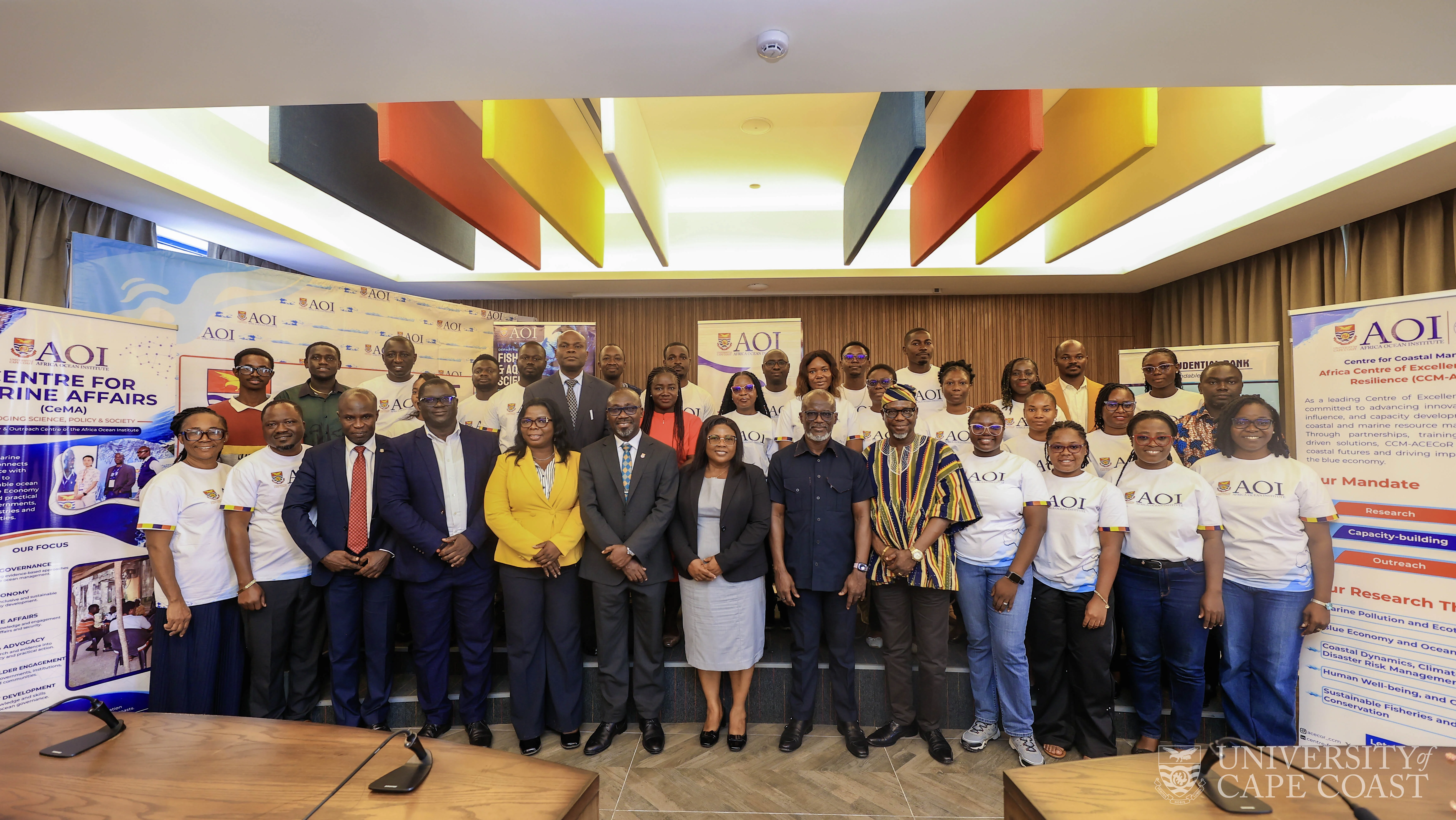
The Directorate of Research, Innovative and Consultancy (DRIC), in collaboration with the Elsevier, has organised a capacity-building workshop for Senior Members to enhance their knowledge in research and publication. Addressing participants, the Director of Journal Services at Elsevier Publishing Development, Mrs. Annette Leeuwendal, urged academic staff to continously publish in order not to perish in the academic sector. Mrs. Leeuwendal told the participants to do proper evaluation of their research areas and also find out which journal was right for their articles, before submission. She entreated them to visit elsevier.com to find the right journal's home page with aim and scope, accepted types of articles, readership, current hot topics and guide for authors. Mrs. D. Leeuwendal advised participants to consider content, style and language seriously before submitting their articles for publication and added that editors do not waste time on poorly prepared manuscripts. The Director of Journal Services took participants through the ‘dos’ and ‘don'ts’ of authorship and the necessary sanctions that would be meted out to offenders by the Committee on Publication Ethics (COPE.). Mrs. Leeuwendal said some of the sanctions included rejection of submission, notification of funding body and many others. She explained that the purpose of peer review was to ensure that best quality papers were selected and also to detect plagiarism and fraud. The Speaker admitted that many publishing houses, including Elsevier, have " failed to make an effort to keep authors , researchers abreast of whatever is happening in the process of peer review ". “The principle of peer review included impartiality, transparency and confidentiality”, she said. Mrs. Leeuwendral noted that fabrication, falsification and plagiarism were core ethical problems on scientific research and also advised researchers to refrain from acts like salami slicing. She encouraged researchers to share their works on social media platforms and mendeley stats so as to get their papers noticed across the world. She advised all researchers to register with Elsevier on www. publishingcampus.elsevier.com/workshops. Prof. Paul Ahiatograh, of the College of Distance Education (CoDE),who chaired the workshop, thanked the resource person for her insightful presentation and called on academic staff to do away with all forms of plagiarism during research.