As Africa's creative economy continues to flourish, the need to eliminate barriers that prevent young women from fully participating in the sector has become increasingly urgent.
It is against this backdrop that the Ghana Country Lead for the ‘Behind the Scenes’ (BtS) Research Project, Prof. Georgina Yaa Oduro, has called for concerted efforts to address gender-based inequities that continue to undermine women's growth and safety within the creative industry.
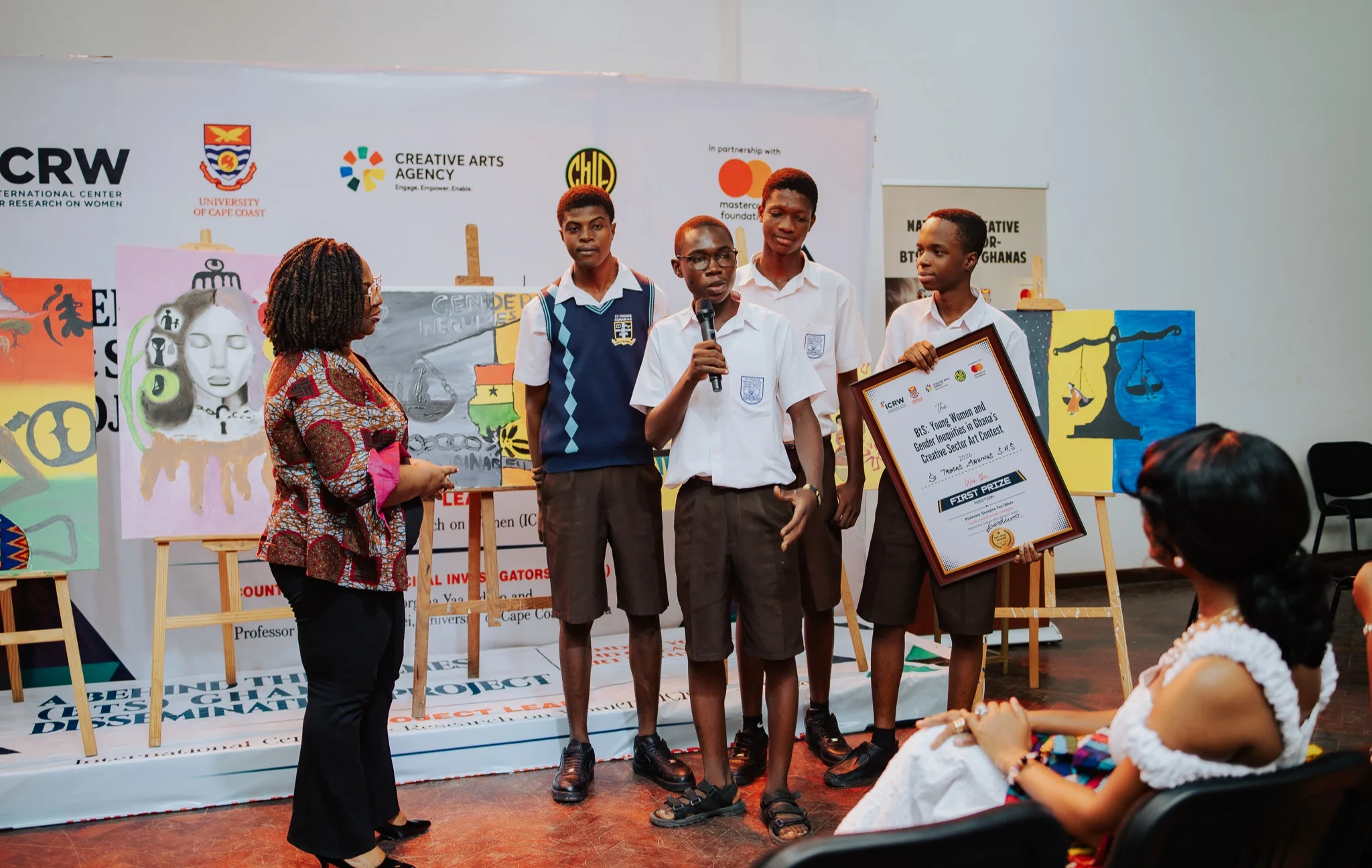
Speaking at a dissemination programme in the form of a panel discussion and art contest involving key stakeholders and students of various SHS in Accra, Prof. Oduro, who is also the Head of the Department of Sociology and Anthropology at the University of Cape Coast (UCC), said the “Behind the Scenes” project seeks to uncover the often-overlooked experiences of young women working in Africa's creative sector and provide evidence to shape policies that promote equity, safety and inclusion.
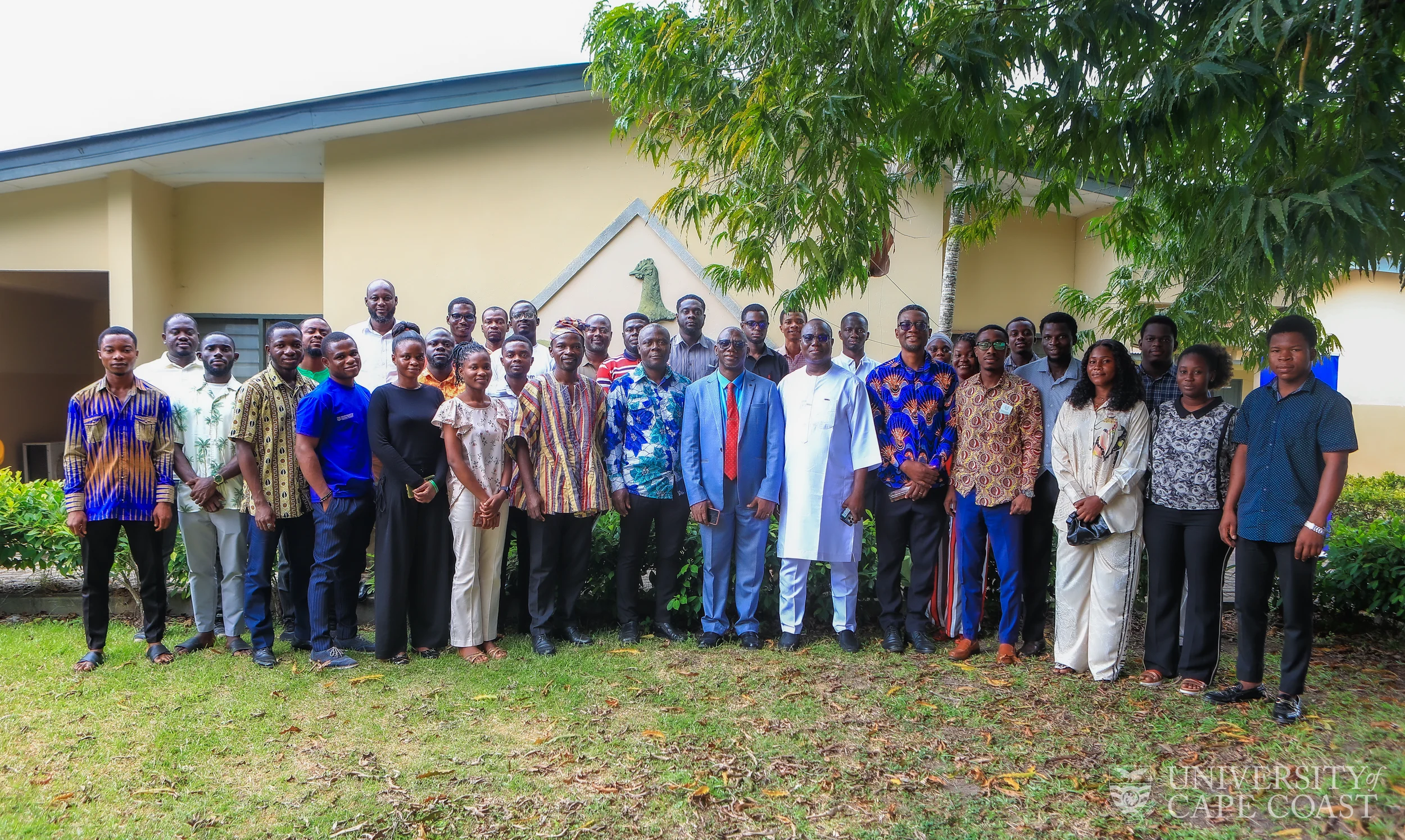
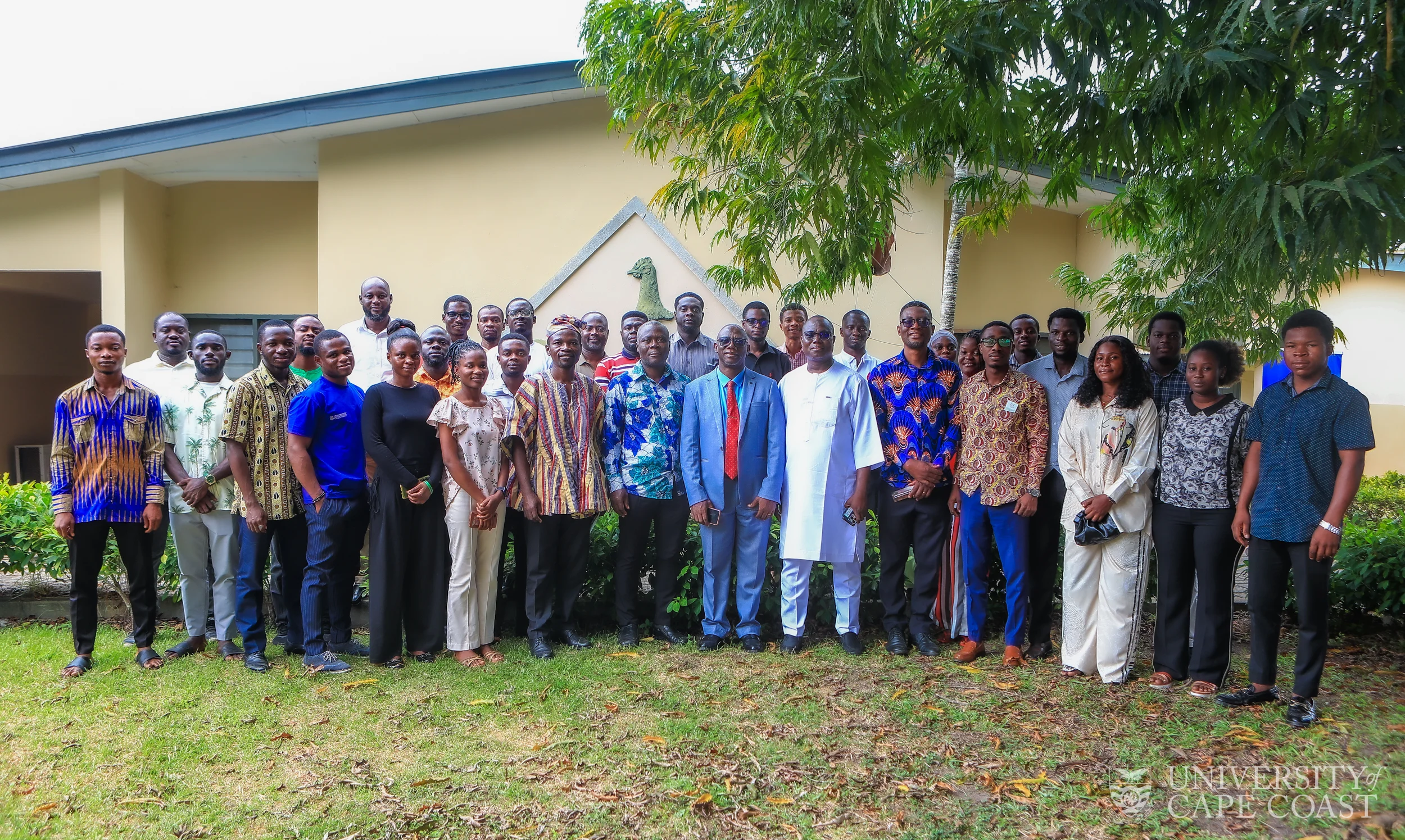
The dissemination is the result of a two-year research project on Gender, Youth and Creatives led by Prof. Oduro and Prof. Joshua Amo Adjei of the Department of Population and Health, and fifteen youth researchers from different departments of the University of Cape Coast.
Prof. Oduro explained that while the creative industry presents enormous opportunities for employment, innovation and economic transformation, many young women continue to encounter discrimination, sexual harassment, exploitation, unequal pay and limited access to leadership opportunities.
"Behind the glamour and success stories are lived experiences that often go unheard. This project is creating a platform for young women to tell their stories so that policymakers, institutions, and industry players can develop solutions that make the creative sector more equitable for everyone," Prof. Oduro noted.
She indicated that the research adopts a participatory approach that places young women at the centre of knowledge production, ensuring that their experiences inform practical interventions capable of transforming the creative ecosystem across Ghana and Africa in general.
According to Prof. Oduro, the initiative also seeks to build the capacity of the youth researchers, strengthen collaboration among researchers, government institutions, creative industry practitioners and development partners to generate evidence that supports gender-responsive policies while empowering the next generation of women creatives.
The dissemination and art contest formed part of activities under the Behind the Scenes: Young Women and Gender Inequities in Africa's Creative Sectors research project, a multi-country initiative funded by the Mastercard Foundation and coordinated by the International Centre for Research on Women (ICRW). The project is being implemented in several African countries to examine how gender inequalities shape opportunities and experiences within the continent's rapidly growing creative economy.
The programme was jointly organised by the International Centre for Research on Women, the University of Cape Coast, the Creative Arts Agency of Ghana and the Ghana Library Authority, in partnership with the Mastercard Foundation.
The event brought together researchers, creative professionals, policymakers, students, development practitioners and representatives of civil society organisations to deliberate on strategies for fostering safer, more inclusive and gender-responsive creative spaces for young women across Africa.
Prof. Oduro's presentation underscored the University of Cape Coast's growing contribution to research that addresses pressing social challenges and informs policies aimed at advancing gender equality, social inclusion and sustainable development.