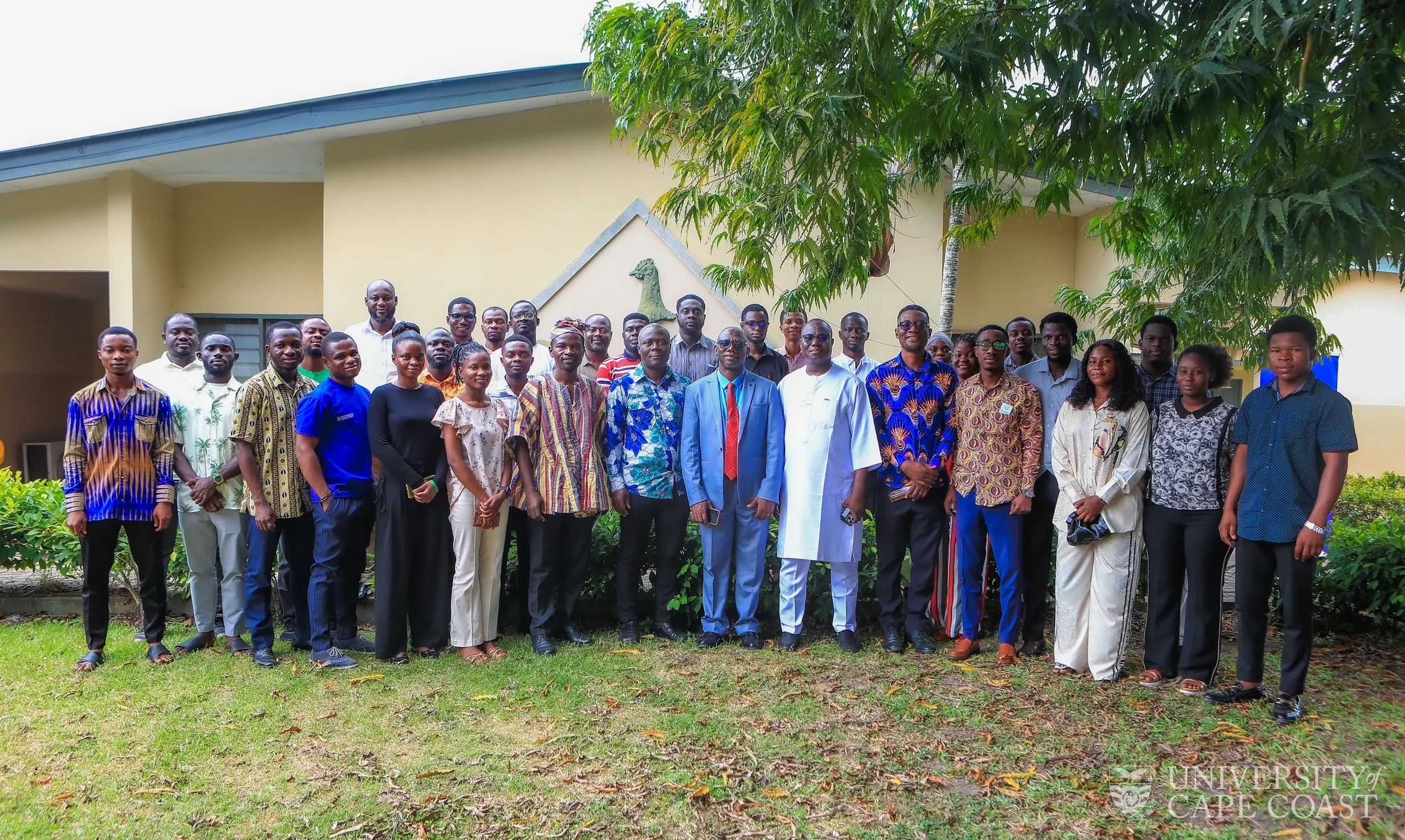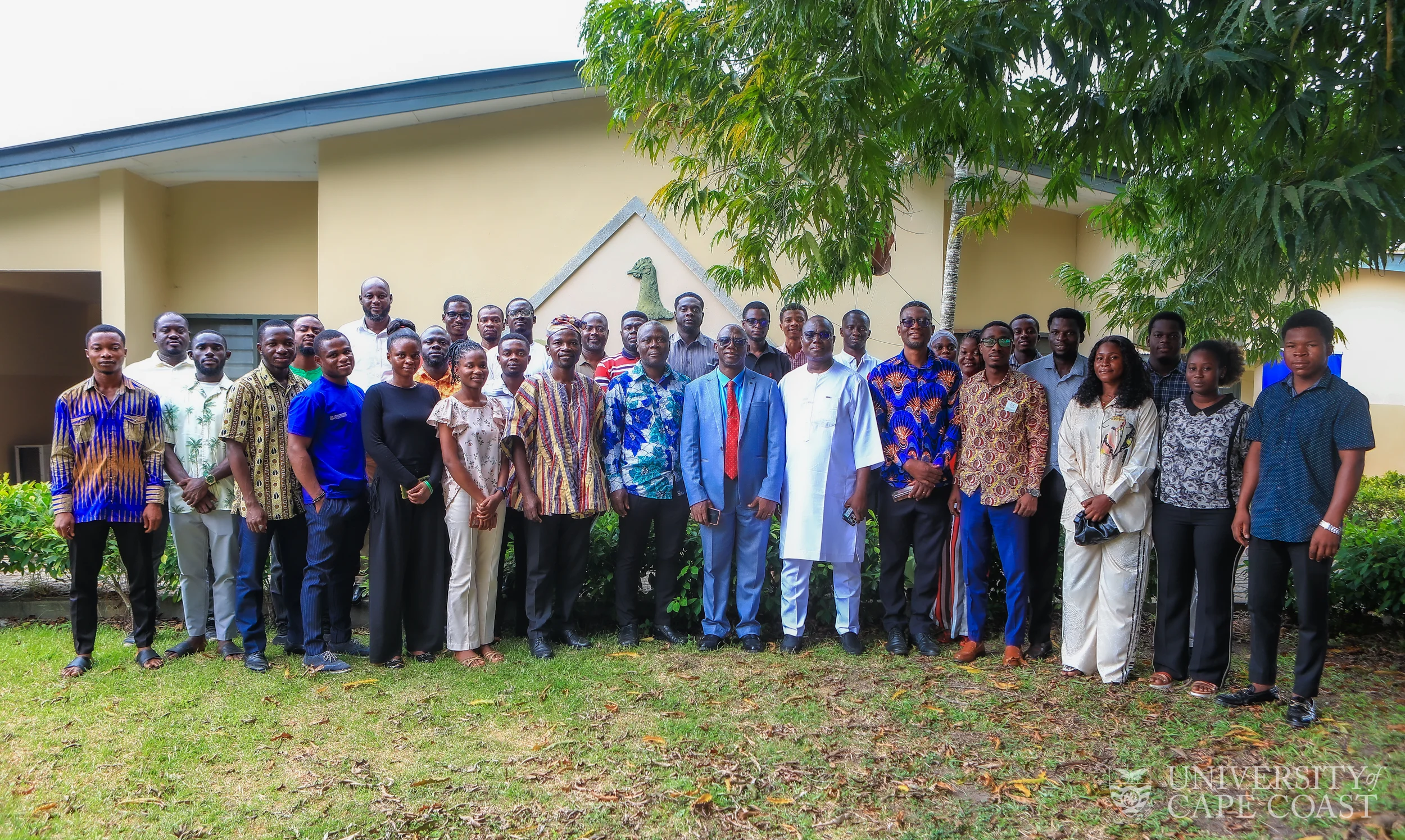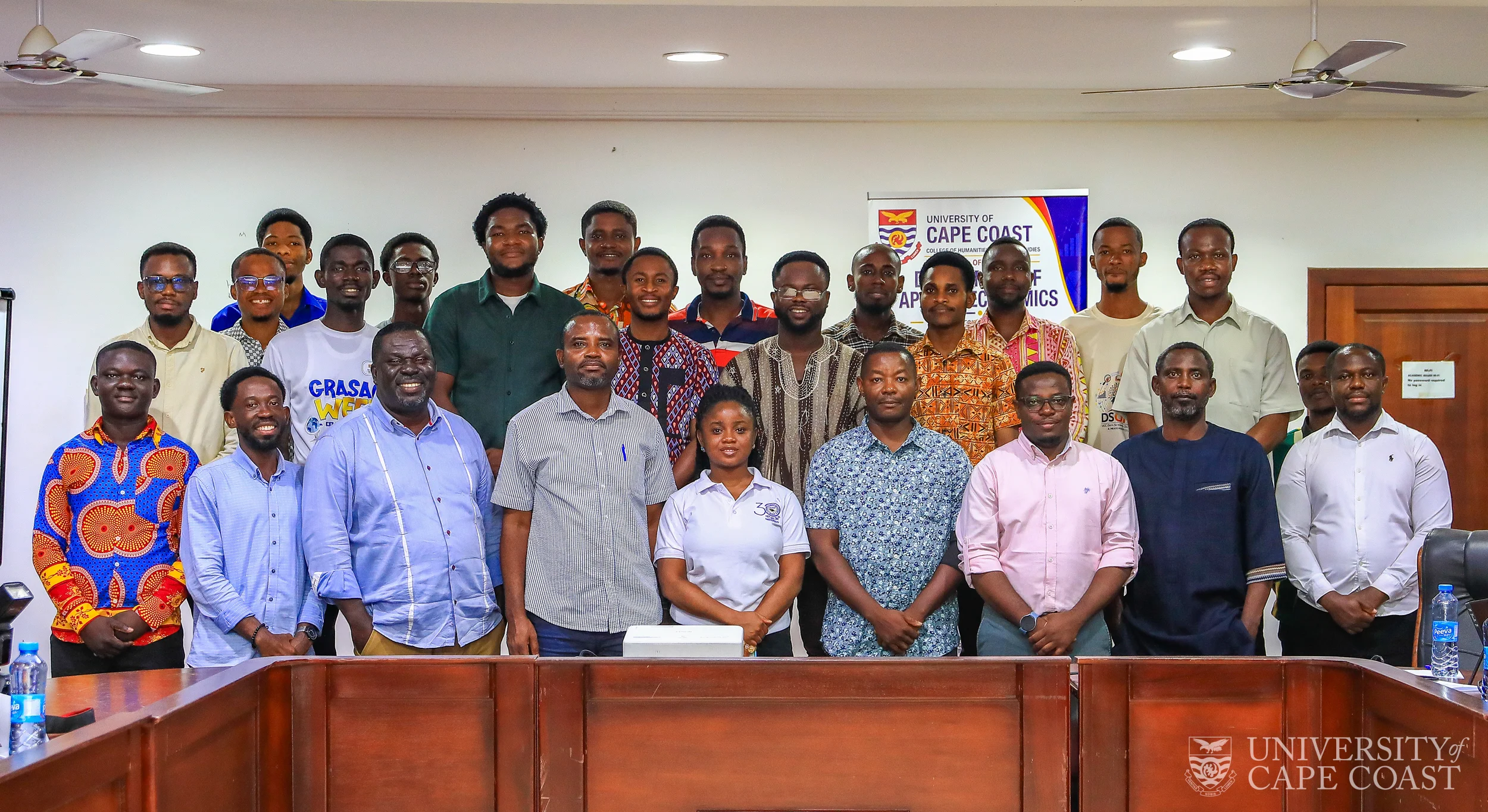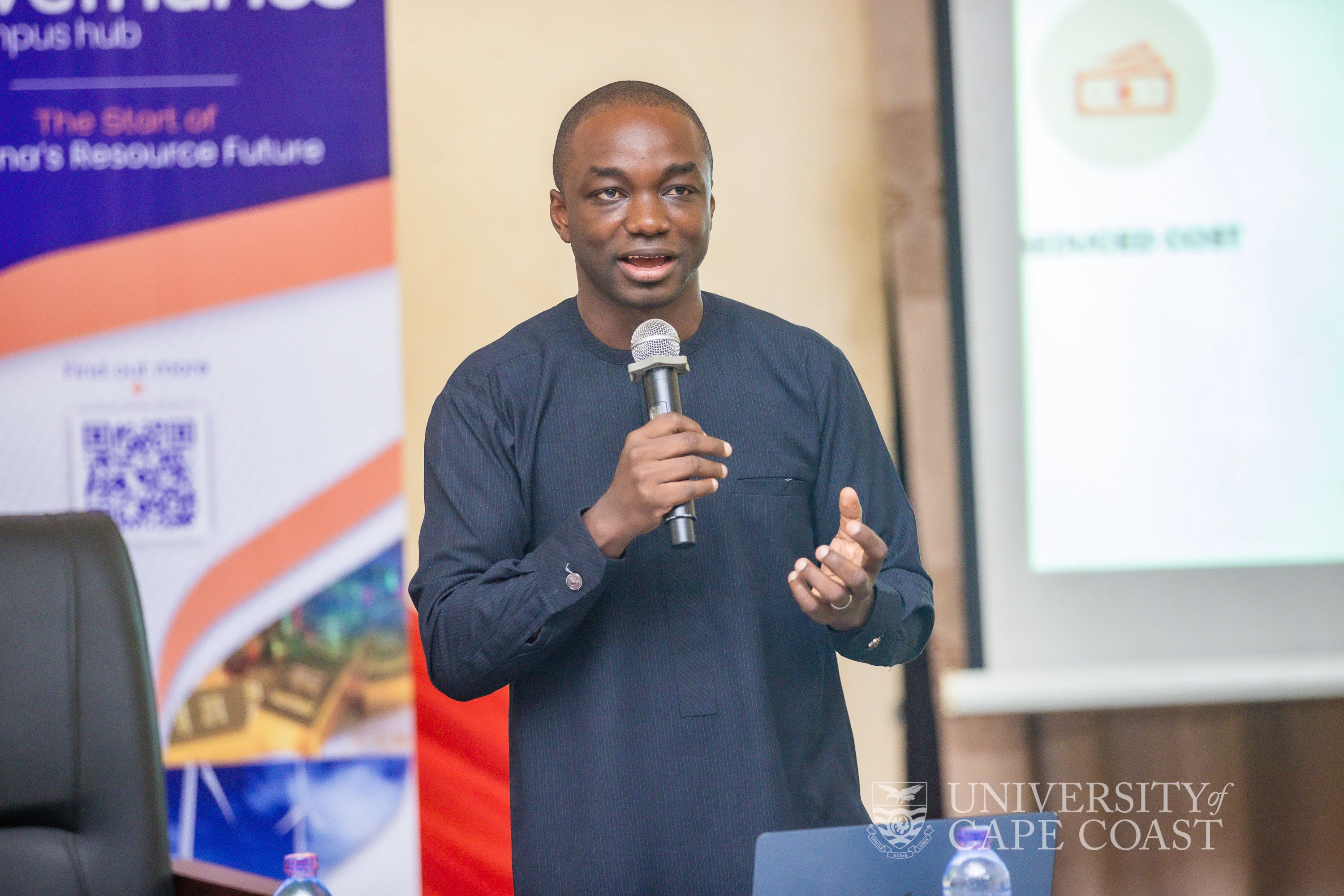
The Policy Lead for Climate Change and Energy Transition at the Africa Centre for Energy Policy (ACEP), Dr. Charles Gyamfi Ofori, has cautioned against portraying Africa’s energy transition as a straight choice between fossil fuels and renewable energy, saying such a move overlooks the continent’s development.
He said debates around energy transition on the continent were often shaped by ideology rather than practicality, stressing that Africa’s pathway must accommodate both existing hydrocarbons and emerging clean technologies.
Dr. Ofori was speaking at a seminar on Energy Justice organised by the Institute of Oil and Gas at the University of Cape Coast (UCC).
It was on the theme: “A Just Energy Transition: The Role of Petroleum Engineers in Africa’s Energy”.
He noted that various scenarios had predicted that the transition would be gradual, adding that these projections were based on economic considerations.
"And if it is very slow, then it means that the price of oil will rise because Ghana would still be dependent on oil. But in a situation where the transition is very rapid due to technological changes, it will have a substantial impact on pricing, and prices could decline," he said.
He mentioned the Policy Scenario, Stated Policies Scenario, Access Scenario, and Net Zero Scenario, explaining that these projections were outlined in the International Energy Agency's World Energy Outlook reports.
According to him, these scenarios would help the continent determine the policies, knowledge and actions needed to meet future energy demands.
He observed that the transition from liquid fuels to natural gas had also been incorporated into Ghana's climate action agenda.
"For example, the National Climate Change Policy seeks to eliminate gas flaring by establishing efficient infrastructure and mechanisms for processing and utilising by-products from oil fields. In its first Intended Nationally Determined Contribution (INDC), Ghana identified replacing crude oil with natural gas in thermal plants as a key mitigation measure," he added.
For his part, the Director of the Institute of Oil and Gas, Prof. Edward Nunoo, said Africa's transition from fossil fuels to renewable energy should be undertaken strategically and at its own pace.
He stressed that rather than abandoning fossil fuel resources and rushing the transition, the continent should have measures to harness these resources for development while gradually transitioning to cleaner and renewable energy sources.
He added that Ghana should not abandon oil and gas because natural gas had been recognised by the European Union as a transitional fuel, given that it is the cleanest fossil fuel and can therefore be used for power generation.
The seminar was chaired by the Provost of the College of Humanities and Legal Studies, Prof. Daniel Agyapong.
Source: Documentation and Information Section-UCC