The School of Agriculture of the University of Cape Coast (UCC) has held an intensive workshop to strengthen the research and grant writing capacities of young faculty members and graduate students.
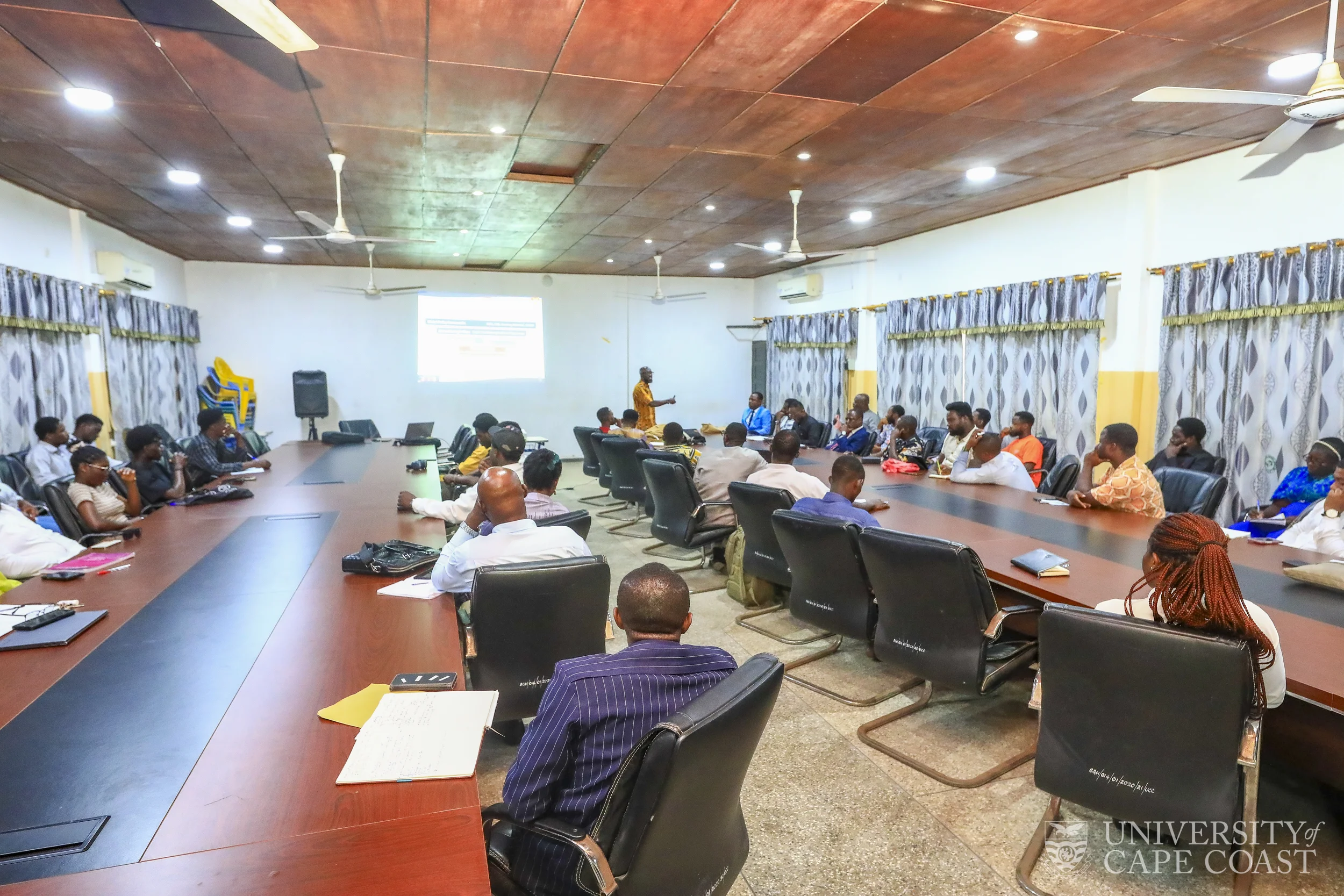
Held at the Sasakawa Conference Room, the workshop was on the theme “Grantsmanship and Research Excellence for Young Faculty and Graduate Students,” was organised under the overarching theme “Winning Research Grants/Awards: From Innovative Ideas to Fundable and Impactful Proposals.”
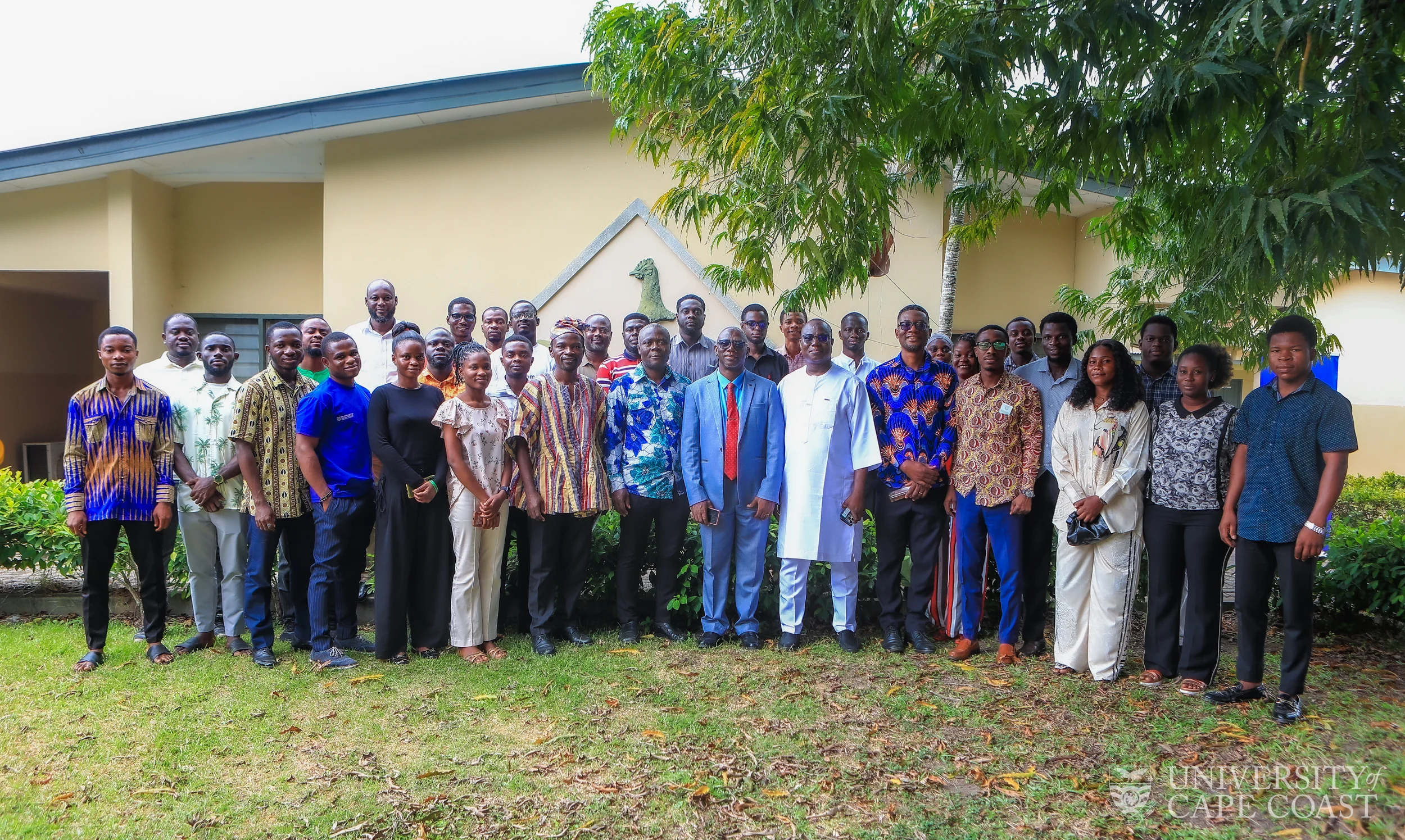
The programme brought together early-career academics, postgraduate researchers and students for practical learning and mentorship from experienced senior faculty members.
It forms part of efforts by the School to strengthen its research culture and position its faculty and emerging researchers to compete effectively for international research funding from organisations including the United Nations, European Union and USAID.
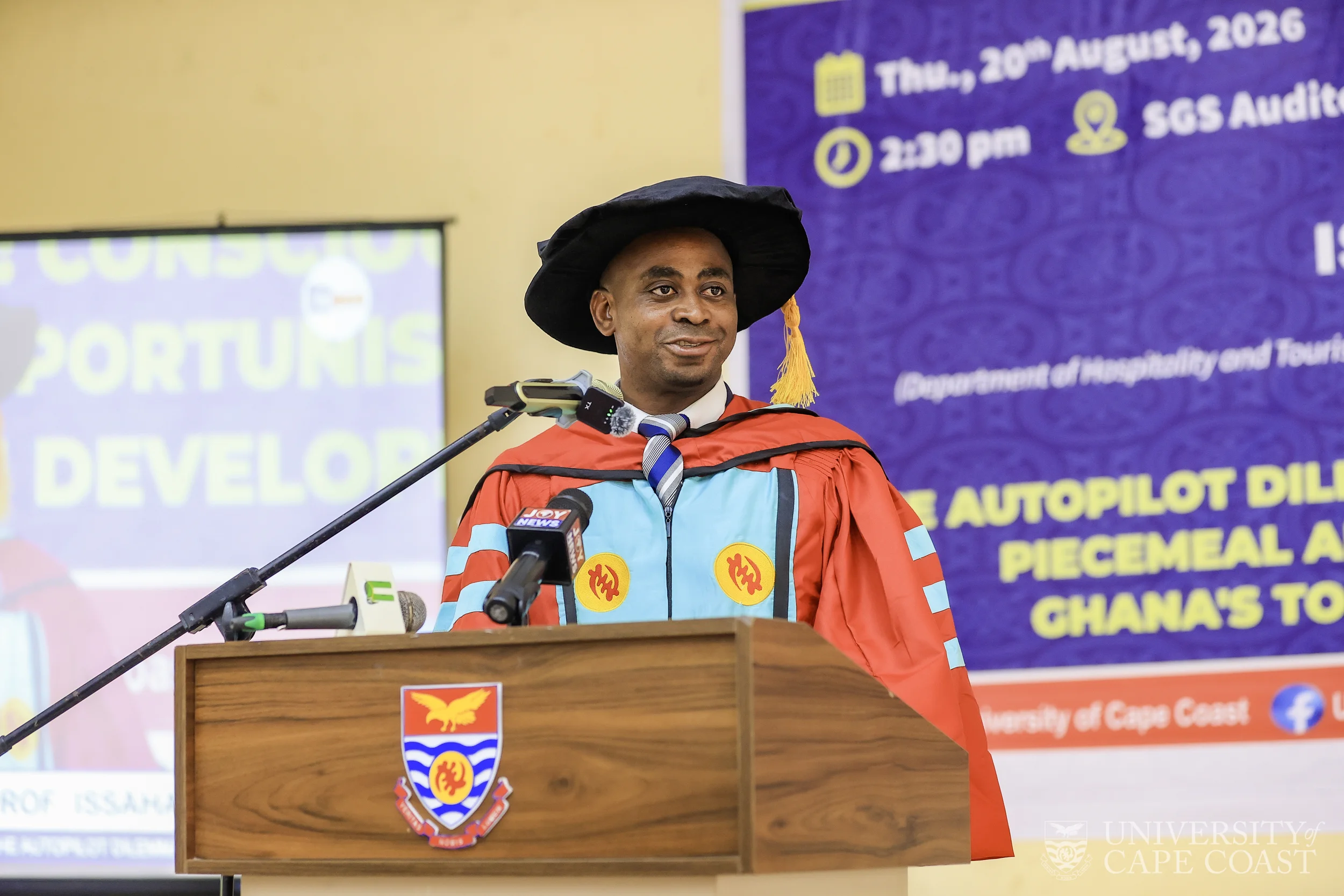
Speaking on “Grant Capture Mechanisms,” the Deputy Director of the Directorate of Research, Innovation and Consultancy (DRIC), Prof. Michael Osei Adu, noted that successful grant applications must demonstrate clear and measurable contributions to the priorities of prospective funders.
He explained that international funding agencies were increasingly interested in research works that respond to specific development challenges and produces tangible outcomes. He therefore encouraged researchers to move beyond superficial references to funder priorities and instead demonstrate genuine alignment with relevant global policy frameworks, donor strategic plans and specific calls for proposals.
Prof. Adu stressed on the importance of carefully analysing grant calls before beginning the writing process. He urged participants to pay particular attention to eligibility requirements, thematic priorities, evaluation criteria and budget considerations.
He also described Expressions of Interest (EoIs) as concise representations of proposed projects that should capture a funder’s interest and encouraged participants to approach proposal development from the perspective of a reviewer. Through a practical exercise, participants assessed project summaries using a five-criterion review framework, giving them an opportunity to apply the principles discussed during the session.
The workshop also focused on the importance of partnerships in contemporary research. Prof. Kwame Agyei-Frimpong of the Department of Soil Science, who spoke on “Building Effective External Partnerships: Engaging Industry and Academia,” stressed the need for researchers to embrace interdisciplinary collaboration and develop meaningful partnerships beyond their immediate academic environments.
According to him, complex development challenges required researchers from different disciplines and sectors to work together. He encouraged young faculty members and postgraduate students to pursue their research with passion, purpose and persistence, rather than being constrained by considerations of position, rank or title.
Prof. Agyei-Frimpong further underscored the importance of research ethics and integrity, noting that maintaining high ethical standards is essential to building credibility and sustaining long-term relationships with research partners and funding agencies.
The Vice Dean of the School of Agriculture, Rev. Engr. Prof. Ernest Teye, also contributed to the discussions, providing additional perspectives on research development, collaboration and the responsibilities of emerging academics.
The workshop provided participants with practical knowledge and strategic insights into identifying funding opportunities, interpreting calls for proposals, developing competitive grant applications and establishing productive research partnerships.