The Sustainable Intensification of Food Production in Africa (SustInAfrica) initiative has officially concluded at the University of Cape Coast (UCC).
SustInAfrica was a research project aimed at empowering West and North African smallholder farmers as well as small and medium-sized enterprises (SMEs) to facilitate the sustainable intensification of African farming systems.
The project also focused on developing and deploying a reference framework of best agricultural practices and technologies, using a systems approach. These practices were scientifically verified to enhance primary production in a self-sufficient, sustainable, and resilient manner.
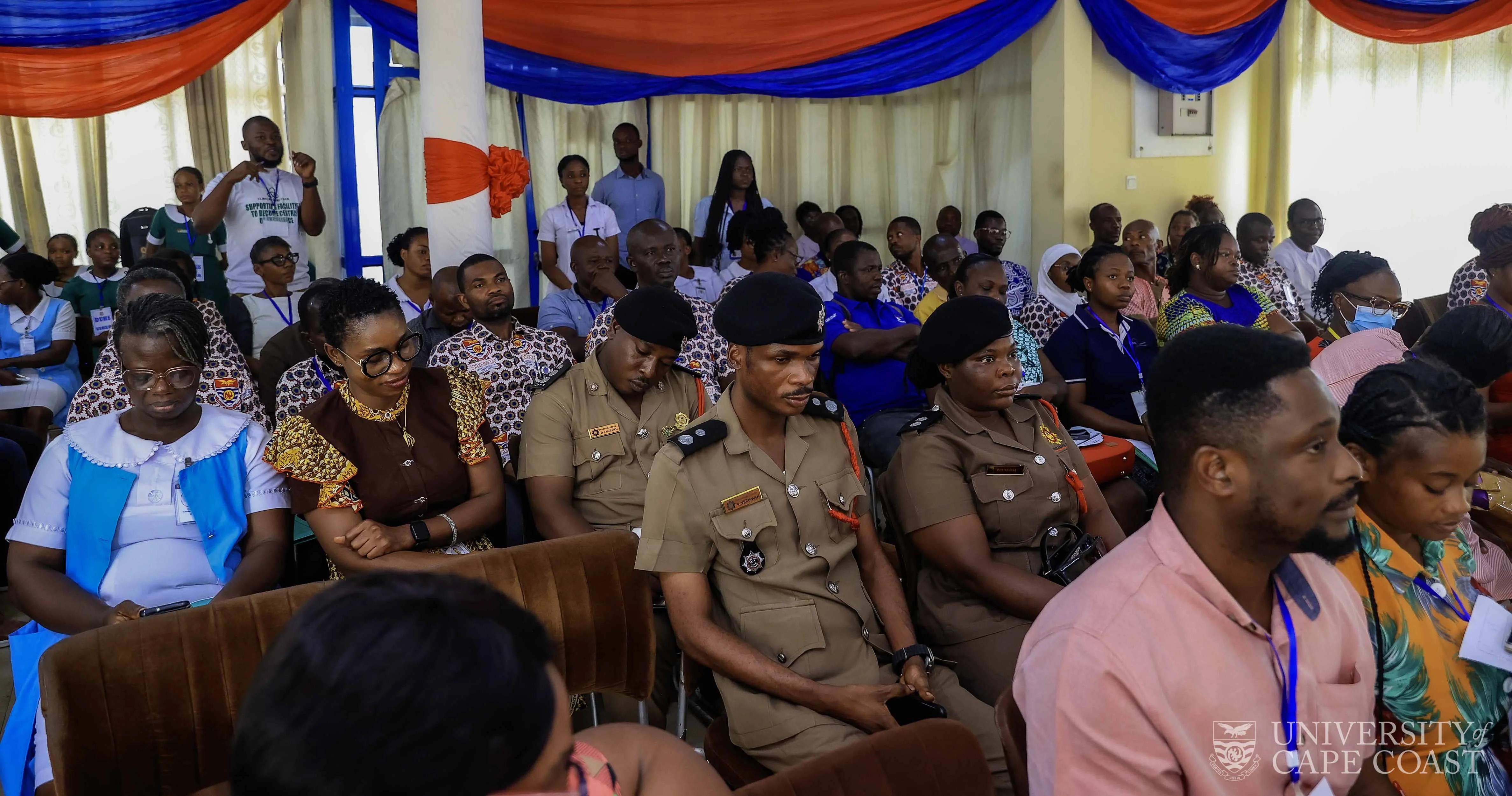
Speaking at a workshop to present a Comprehensive Report on the SustInAfrica Project: Bridging Science and Practice, the Project Lead at UCC, Prof. Kwame Agyei Frimpong, described the initiative as a pioneering effort to empower farmers and agribusinesses across West and North Africa.
According to him, with an emphasis on self-sufficiency, sustainability, and resilience, the project sought to improve agricultural productivity through proven best practices and innovative technologies.
Prof. Frimpong noted that the project addressed a critical land management crisis across the continent.
“Over decades of cultivation, many African farmlands have suffered severe degradation. Inappropriate farming practices have led to significant soil nutrient depletion and alarming reductions in groundwater levels,” he said.
He explained that SustInAfrica aimed to reverse this trend by introducing standardized, science-based farming methods that prioritize ecosystem health. By replacing trial-and-error approaches with data-driven techniques, the project sought to restore land productivity while protecting soil and water resources for future generations.
According to Prof. Frimpong, education was a core pillar of the project’s strategy.
“Beyond immediate support for farmers, SustInAfrica is committed to pedagogical reform. The initiative seeks to integrate modern scientific farming practices into academic curricula, ensuring that future agricultural professionals are equipped with the right knowledge from the outset,” he noted.
He emphasized that this educational focus ensures that the progress achieved becomes standard practice, not a temporary intervention.
Recognizing that Africa’s diverse ecological conditions do not support a one-size-fits-all approach, the project tailored its research to specific environments. Two key pilot hubs were identified during the initial phase - Ejura, which focuses on maize production to stabilize staple food supplies through improved soil management and Komenda, focusing on pineapple production to explore how specialized crops can benefit from technological innovation.
A beneficiary from the Council for Scientific and Industrial Research-Crops Research Institute in Kumasi-Fumesua, Theophilus Frimpong, said: "The SustInAfrica has enlightened me about the importance of having values, goals and a clear vision in my agriculture endeavours."
He said such projects would significantly aid in enhancing the agricultural sector in Ghana, adding that his mission was to employ sustainable agricultural practices that benefited farmers and their communities.
Expressing how the SustInAfrica had transformed her perception of farming, a farmer from Mankessim, Mercy Barnes, stated, "Previously, we farmed without any real planning. This workshop has taught us the importance of planning our agricultural activities and improving our communication with clients."