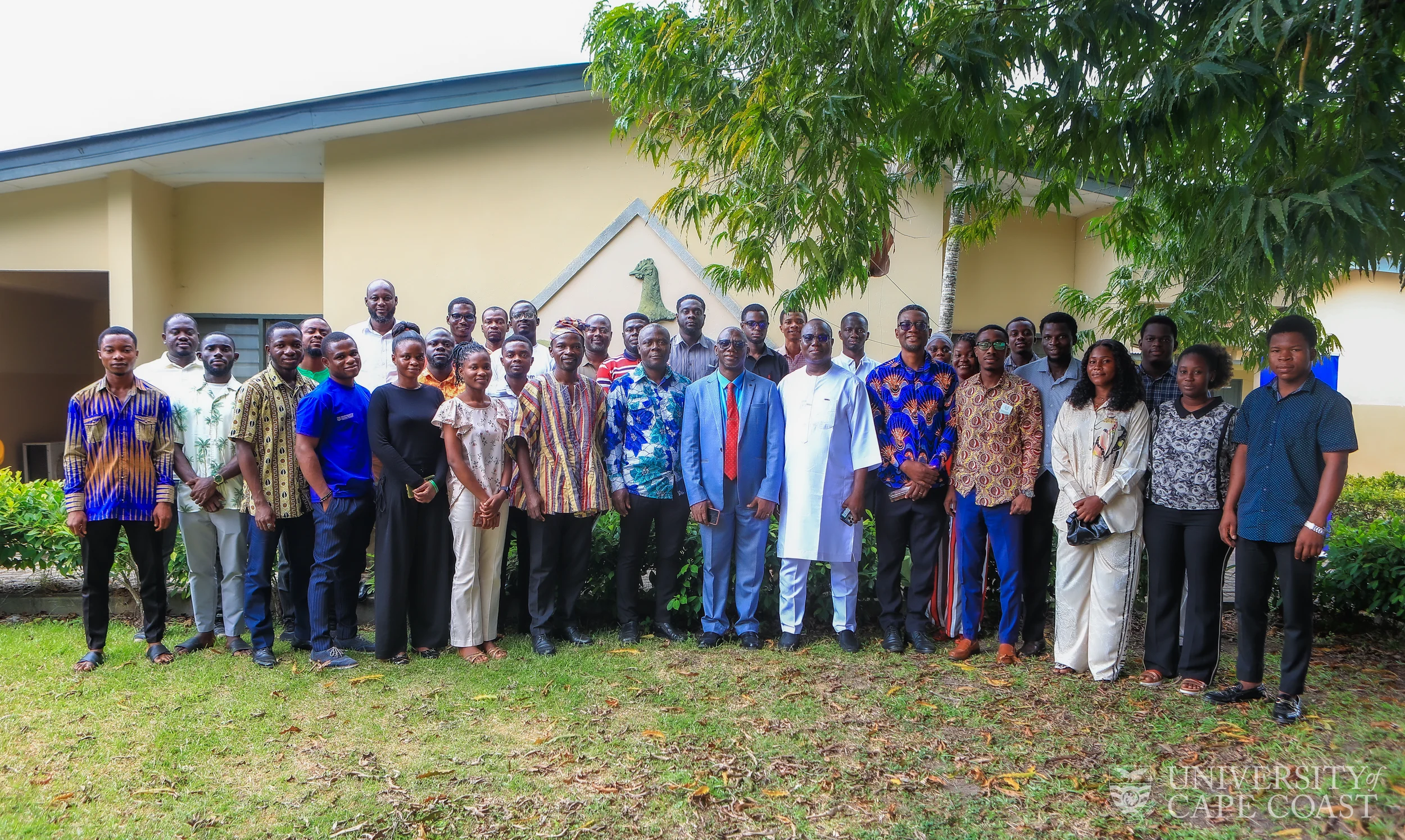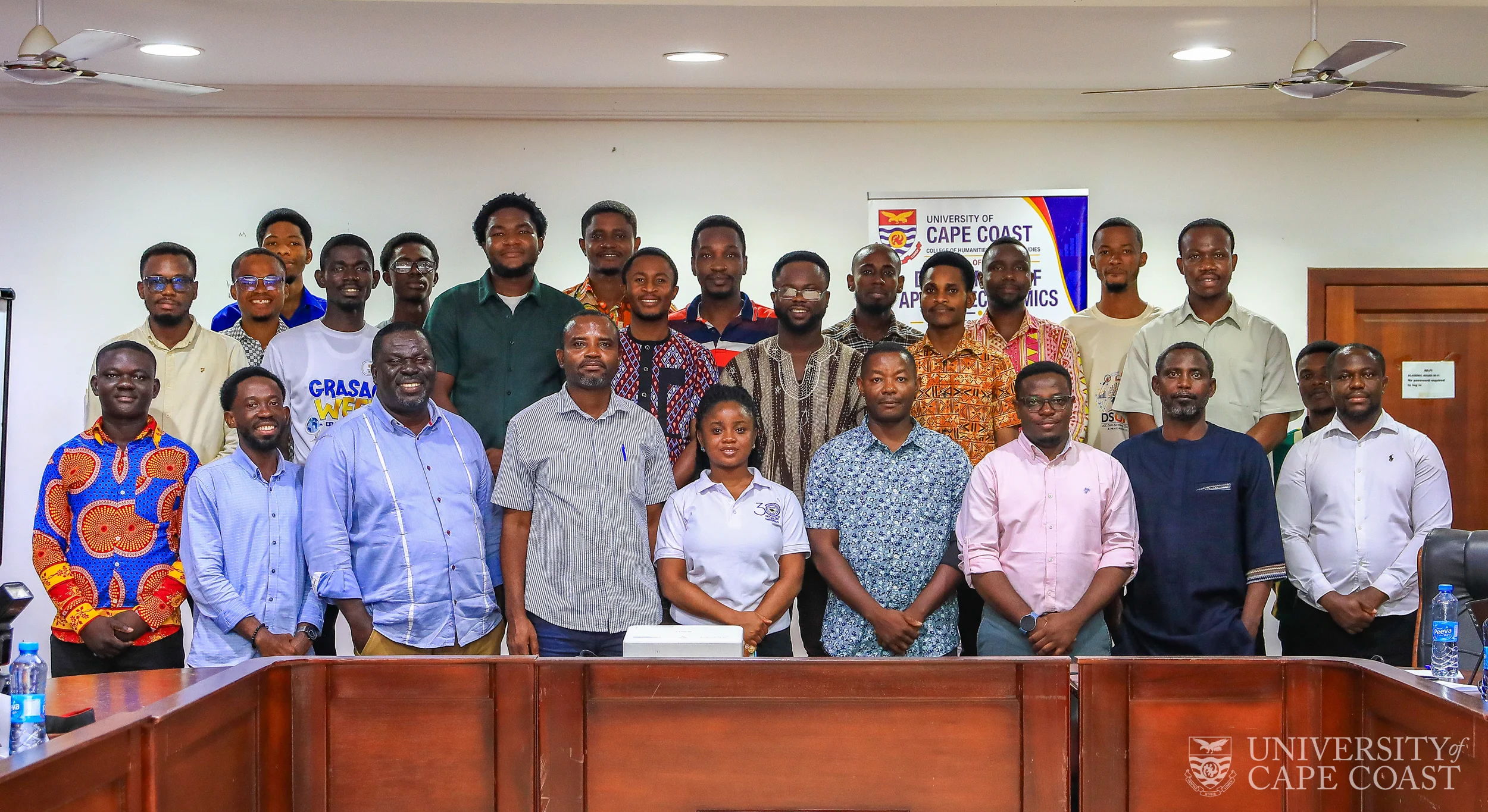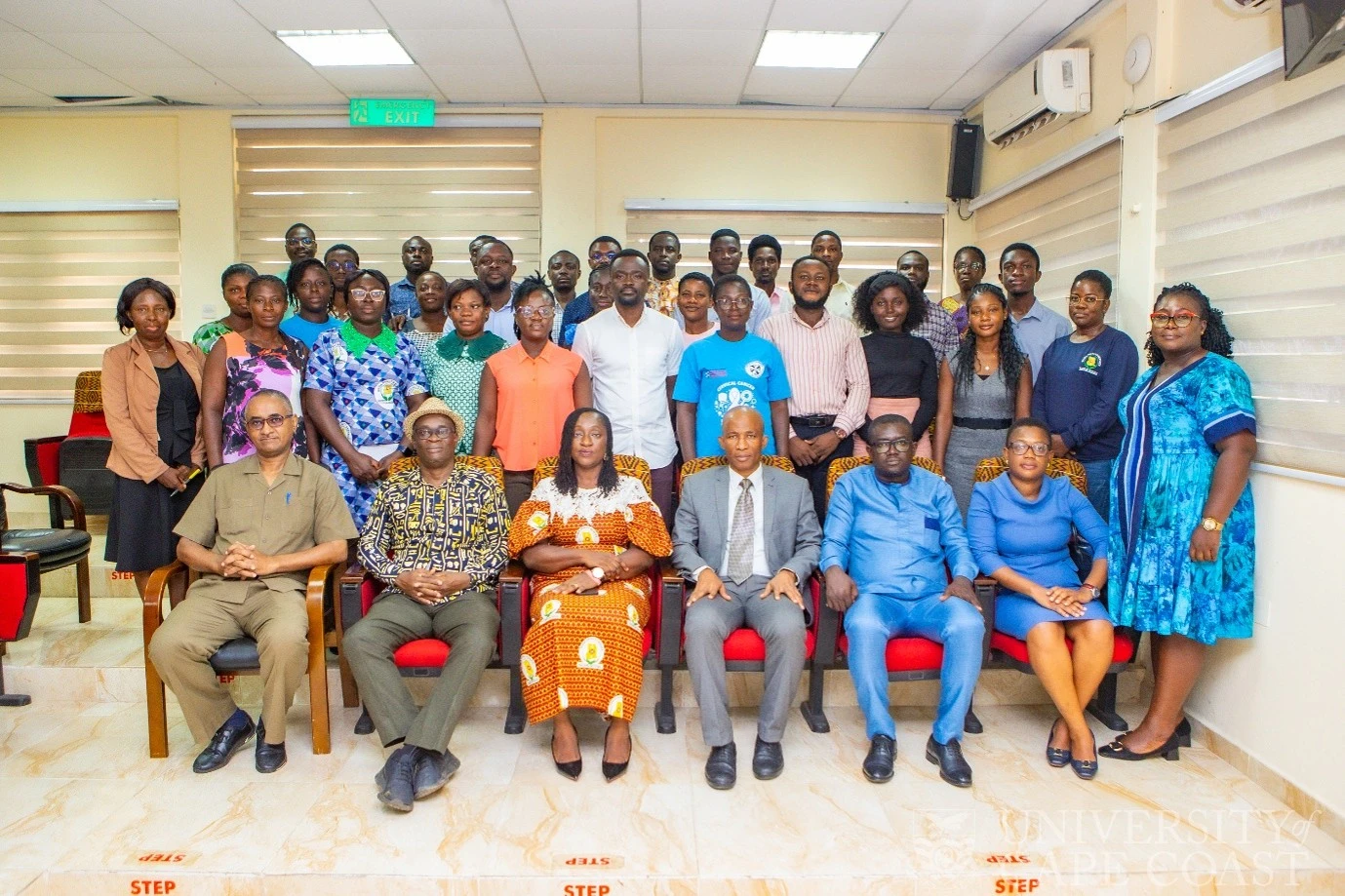
The Biomedical and Clinical Research Centre at the University of Cape Coast has trained community health workers to embark on community health education on Schistosomiasis, a disease caused by parasitic worms that live in freshwater.
The community health workers, who will serve as frontliners in their communities, were drawn from Esuekyir, Akotokyer, and Kwaprow, all within the Cape Coast Metropolis.
In Ghana, according to the Ghana Health Service (GHS), schistosomiasis has an estimated country-wide prevalence of 23.3 per cent, with localised prevalence levels exceeding 50 per cent. These infestations, the GHS said, were typically transmitted through contact with contaminated soil or water and tended to affect school-age children most severely due to their underdeveloped immune systems.
It is against this backdrop that the Centre held a three-day workshop on a project titled: “Integrated schistosomiasis and Female Genital Schistosomiasis (FGS) Control along the Kakum River.”
The workshop, in collaboration with Good Neighbours Ghana, was on the theme: “Strengthening Integrated Approaches for Schistosomiasis and Female Genital Schistosomiasis in Targeted-Communities along the Kakum River.
Participants were taken through an overview of Schistosomiasis globally and locally, epidemiology, burden, and public health Importance; virology and life cycle of schistosomiasis; Female Genital Schistosomiasis; health systems; the tracking process, amongst others.
The Director of the Biomedical and Clinical Research Centre, Prof. Samuel Kyei, in a remark, said Schistosomiasis is one of the twenty-one (21) known NTDs.
According to him, people got infected when larval forms of the parasite - released by freshwater snails - penetrated the skin during contact with infested water.
He said transmission occurs when people with schistosomiasis contaminate freshwater sources with faeces or urine containing parasite eggs, which hatch in water.
Schistosomiasis, he pointed out, was prevalent in tropical and subtropical areas, especially in poor communities without access to safe drinking water and adequate sanitation.
He described FGS as one of the most neglected sexual and reproductive health diseases in sub-Saharan Africa, with hordes of women and girls currently living with the disease.
He said that although genital schistosomiasis affected both males and females, the prevalence of the condition among males in Ghana was low, while infections among females were enormous.
He explained that children between five (5) and fourteen (14) years were the most affected by schistosomiasis because they normally swam a lot, played, and did many activities in water bodies.
Fortunately, he said, both FGS and schistosomiasis could be treated with a drug, normally administered during mass drug administration exercises organised by the Ghana Health Service (GHS).
He, therefore, urged participants to approach the workshop with commitment and seriousness, noting that their level of engagement would directly influence health outcomes in their respective communities.
“Take this training seriously and build your capacities. Your active participation will help the project succeed and significantly improve health delivery for all of us,” said Prof. Kyei.
He said eliminating schistosomiasis and controlling infections in Ghana was very important, as it would help improve the overall health and well-being of the population, especially children.
That, according to him, was why participants needed to lend their support to the project in order for it to achieve its targeted results.
Participants expressed appreciation for the opportunity and indicated that the practical knowledge gained would enhance the quality of treatment of Schistosomiasis provided at the community level.
Madam Eunice Osei, a Principal Community Health Nurse at Akotokyer Community-Based Health Planning and Services (CHPS) Compound, said: “We would put to practice the lessons learnt from this training to help our community members.”
Source: Documentation and Information Section-UCC